WASTELAND
A fantasy world
of rejected monsters
A land for
the unwanted
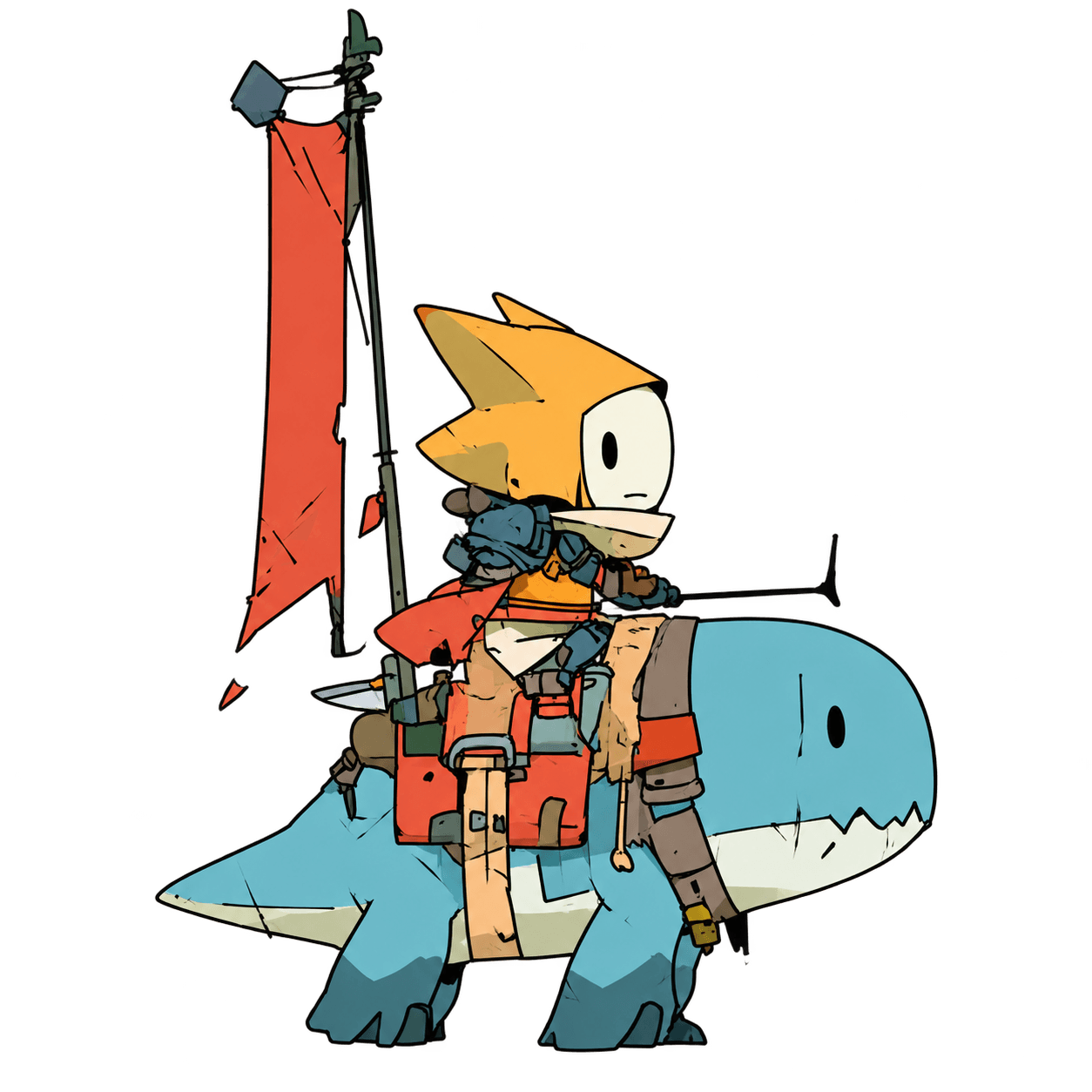
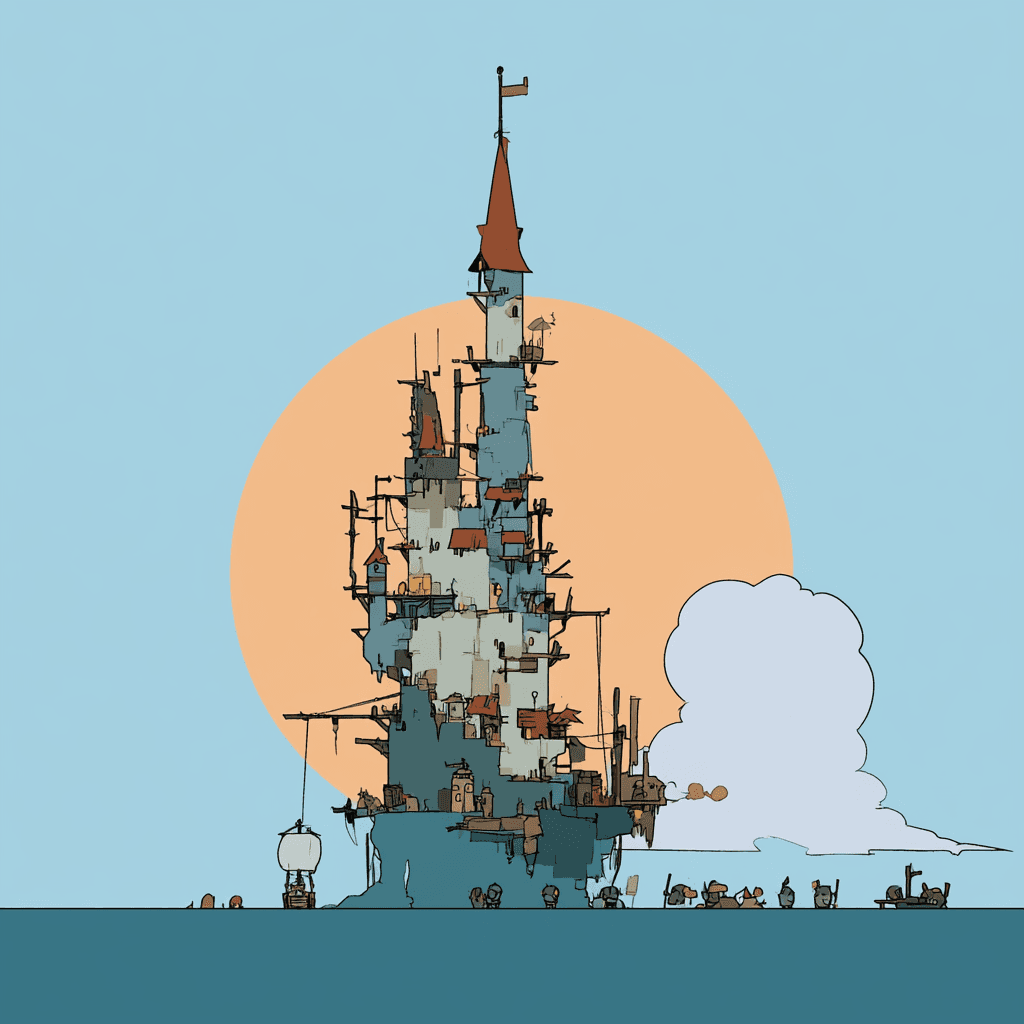
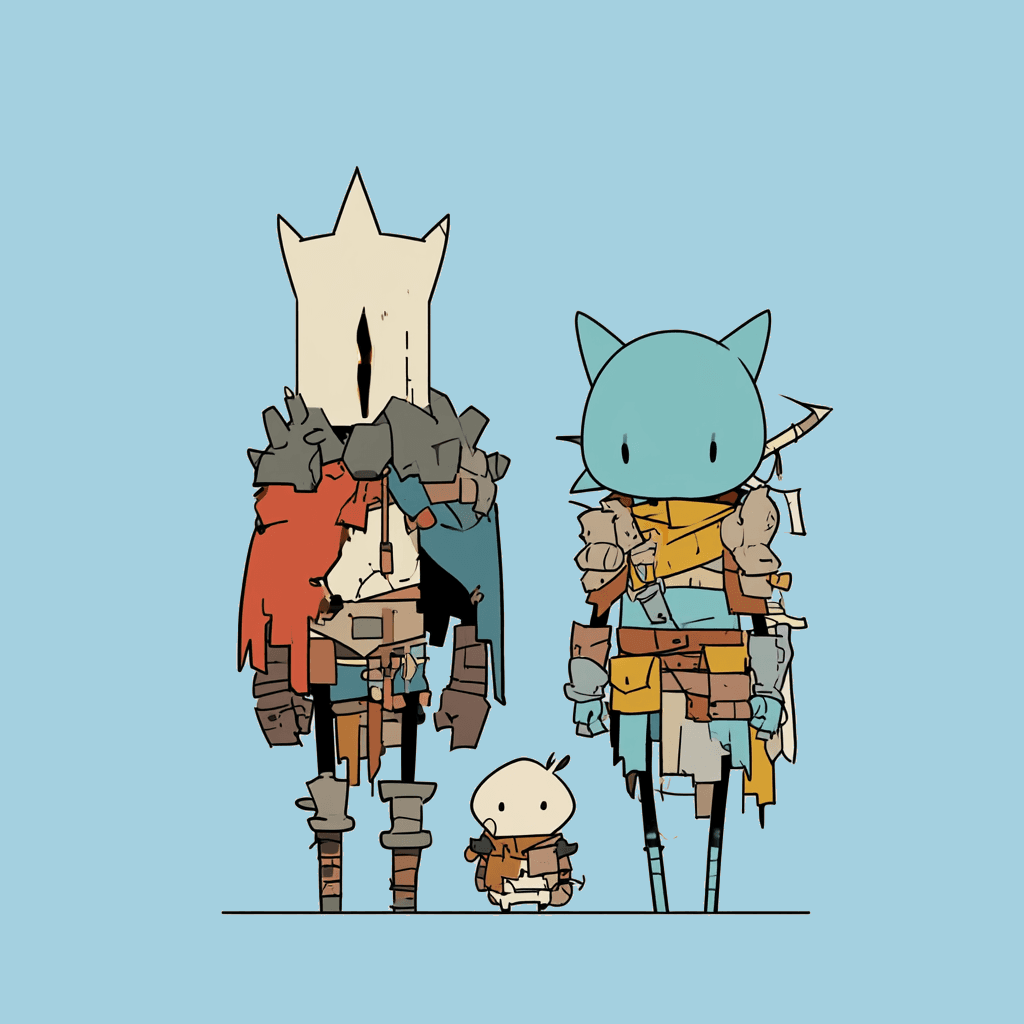
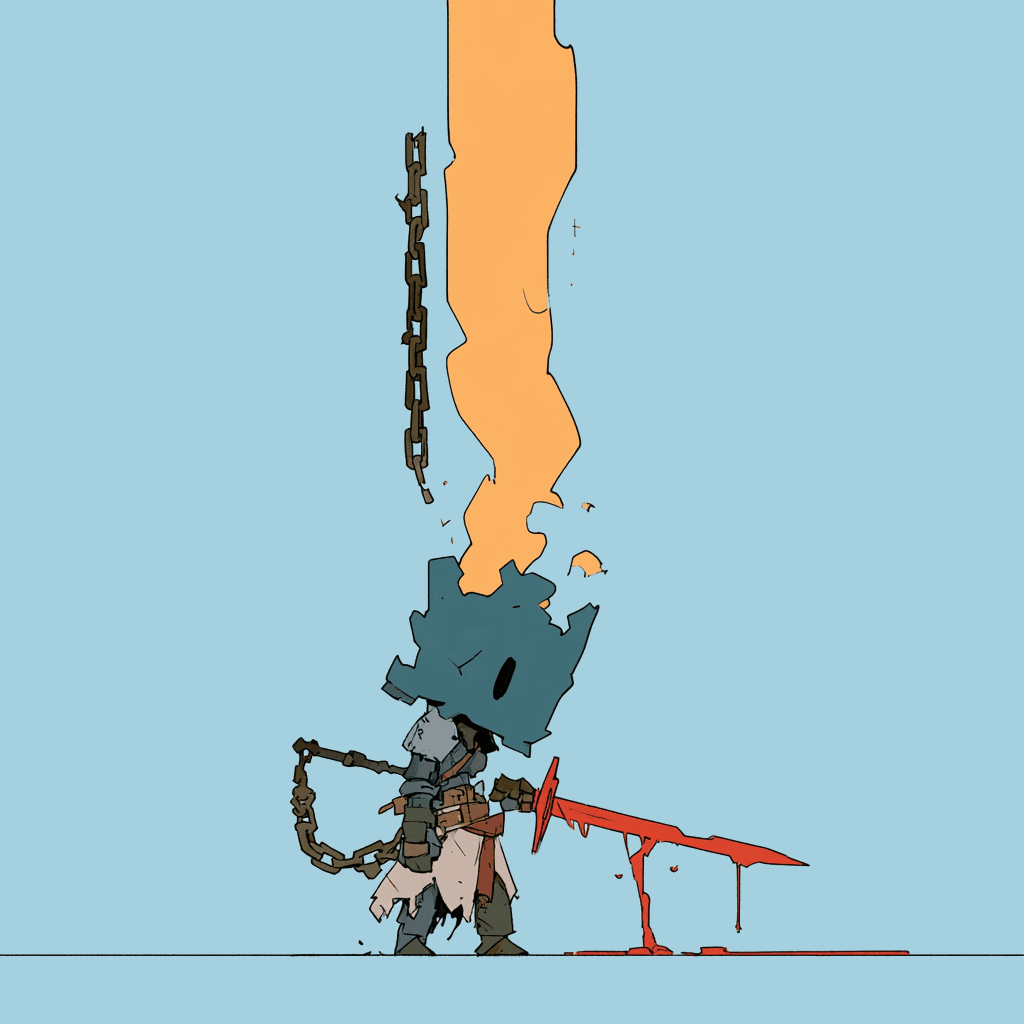
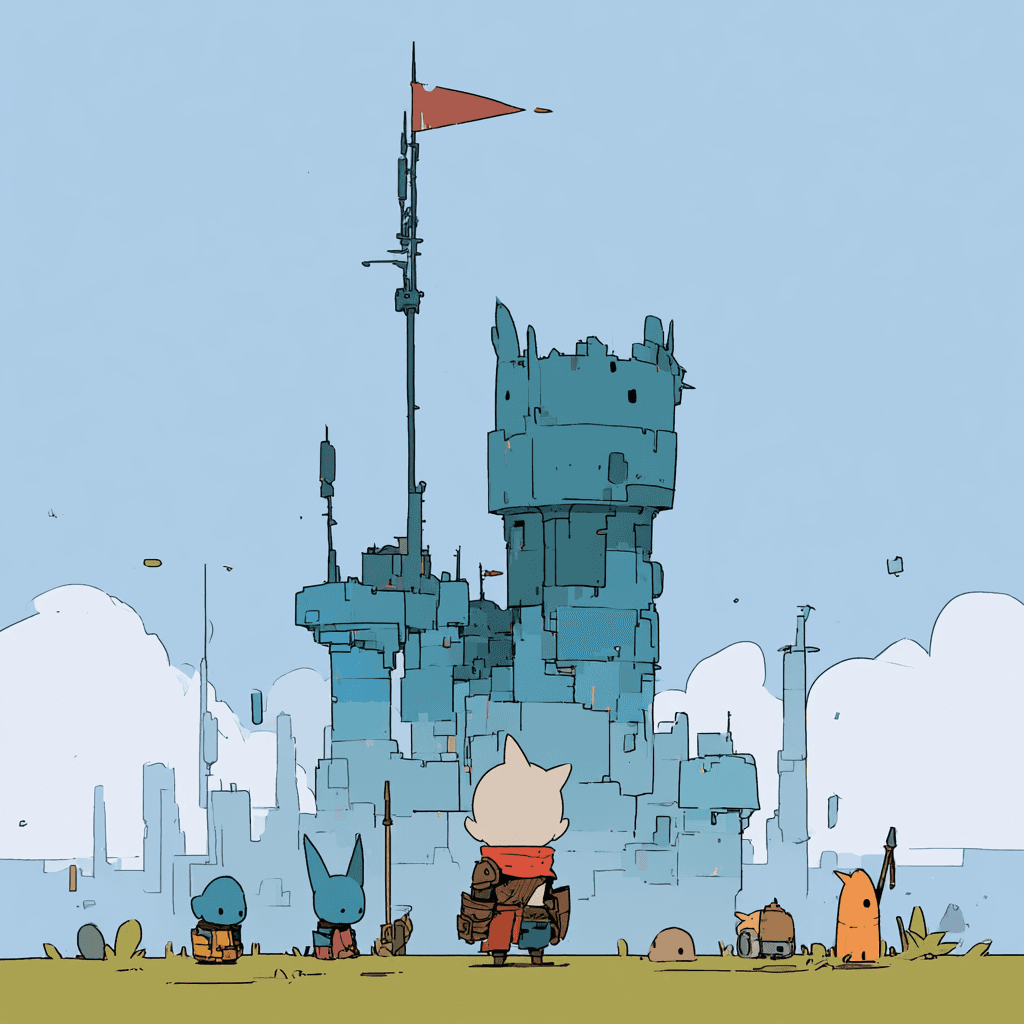
Wasteland is a fantasy world of rejected monsters—those who don't quite fit in anywhere else.
Together, they build, they wander, and they dream of a place where being different is magic.
Wasteland isn't just a place—it's a feeling. A reminder that the strange, the broken, and the forgotten can create something extraordinary.
This is their world.
This is Wasteland.
The Mint
3,333
3,200 mintable
133
Reserved for the treasury
Per wallet
Per wallet
0.0069 ETH
Robinhood Chain
24 hours
After mint out
Frequentlyasked
What we can answer so far about Wasteland and the mint. $WASTE and the Forge have sections of their own below.
The World
What is Wasteland?
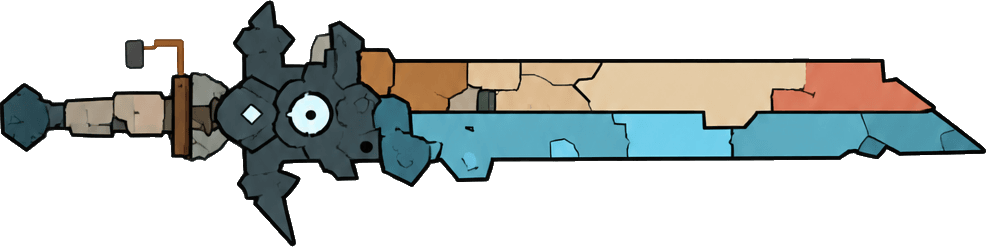
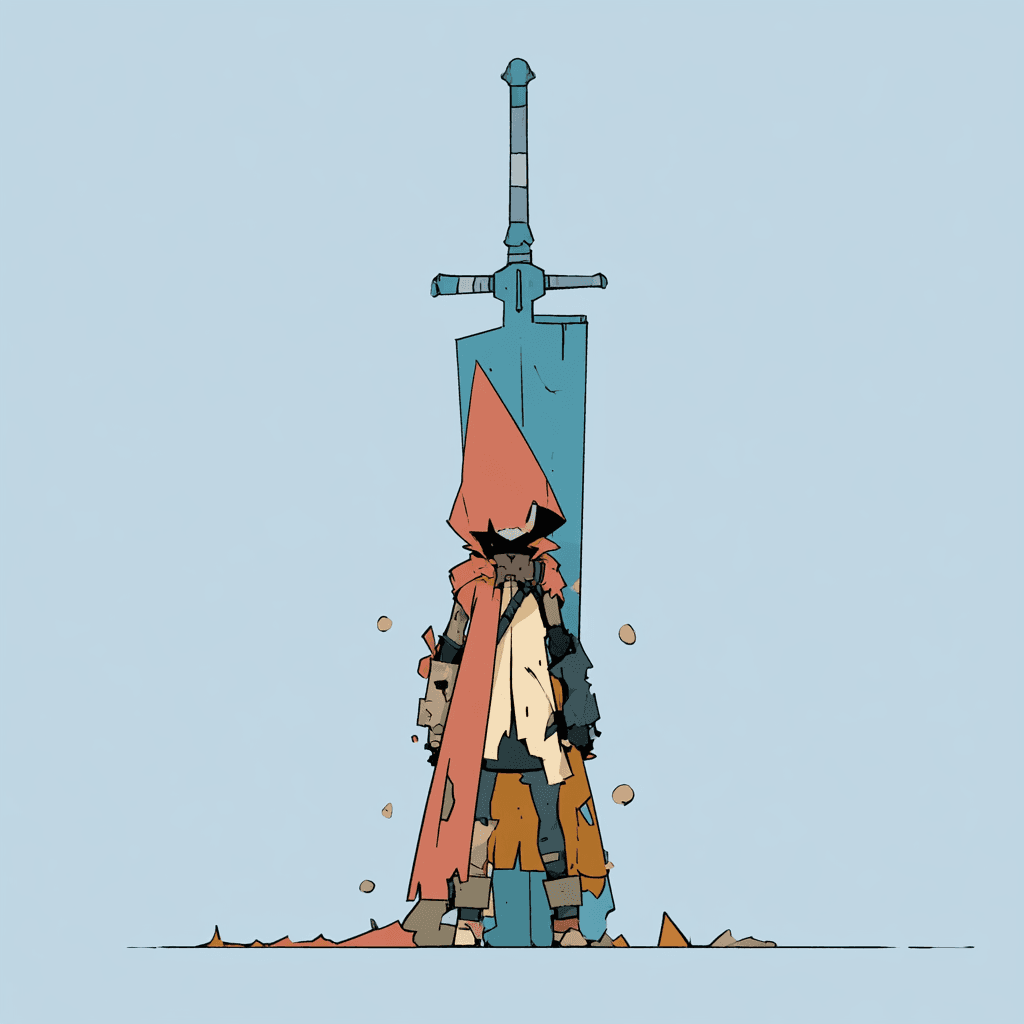
Wasteland is an art-driven NFT collection set in a fantasy world of rejects, forgotten creatures, discarded objects, and things that somehow ended up in the wrong place.
Each NFT is an inhabitant of that world, designed to stand on its own as a collectible. Everything else we're building — $WASTE, the Forge, Relics, the Leaderboard — expands the collecting experience without defining it.
How is the artwork created?
The artwork is AI-generated and developed specifically for Wasteland. The direction behind it — characters, concepts, visual language, traits, world-building, selection, and refinement — is built around the Wasteland universe.
We're open about the use of AI because it's part of how Wasteland is made. Every finished piece is an original Wasteland creation, made for this project rather than sourced from an existing collection or body of artwork.
Is Wasteland a game, and do I have to play?
Not a game in the traditional sense. We're borrowing systems we like from games — inventories, recipes, ingredients, crafting, rarity, probability, and leaderboards — and applying them to collecting.
There's nothing to grind. Each Wasteland you hold receives an allocation from a fixed $WASTE emission, one that halves on a public schedule and stops at a hard lifetime cap; claiming it is up to you. Every system below is optional: if you're here because you like the art and want to collect the characters, that's enough.
The Mint
What chain is it on, and what's the supply?
Robinhood Chain.
3,333 Wastelands, of which 133 are allocated to the team treasury — leaving 3,200 outside that allocation.
How does the mint work?
There are two phases:
- 01 — Wastelist (GTD)
- Wastelist wallets can mint up to 2 Wastelands during the GTD window.
- 02 — Public
- Open to everyone, with up to 6 additional mints per wallet, subject to remaining supply.
Wastelist wallets can participate in both, for up to 2 GTD + 6 Public.
When is the mint, and what does it cost?
04 September 2026, 10:00 AM EDT.
0.0069 ETH per Wasteland, on Robinhood Chain.
What am I minting?
A Wasteland NFT from the main art collection — an inhabitant of the Wasteland world, not $WASTE, a Material, or a Relic.
The main collection is the foundation. Everything else we're building expands the world around it.
When does the artwork reveal?
24 hours after the collection mints out.
Because it is tied to mint out rather than to a clock, the exact hour depends on how quickly the collection sells.
What do I need, and where do I mint?
An EVM-compatible wallet that supports Robinhood Chain. We'll provide setup details before mint.
The official mint link will only be shared through official Wasteland channels. Always verify the link and contract before connecting your wallet.
We will never DM you asking you to mint.
Nothing iswasted
The Burn, the Forge, the artifact classes and the five tiers are set out in full in the whitepaper. What follows is what it leaves to the collector: what you can put in, what you end up owning, and what moving a piece costs you.
Wasteland NFTs → $WASTE → Materials → The Forge → Relics
$WASTE
How do holders receive $WASTE?
Every Wasteland accrues $WASTE for as long as it stays in one wallet, from a fixed emission written into the contracts. Emission runs for eight years — from 16 September 2026, 15:00 UTC, to 14 September 2034, 15:00 UTC — and then stops.
There's nothing to sign up for and nothing to stake. Unclaimed $WASTE waits for as long as the piece stays in that wallet, and you claim it whenever you choose — even after emission ends.
How much $WASTE does a piece accrue?
At 1.0x, 200 $WASTE a day in the first year — 73,000 for the year — and the daily amount halves every 365 days:
- Year 1 — from 16 Sep 2026
- 200 $WASTE a day, 73,000 for the year.
- Year 2 — from 16 Sep 2027
- 100 $WASTE a day, 36,500 for the year.
- Year 3 — from 15 Sep 2028
- 50 $WASTE a day, 18,250 for the year.
- Year 4 — from 15 Sep 2029
- 25 $WASTE a day, 9,125 for the year.
- Year 5 — from 15 Sep 2030
- 12.5 $WASTE a day, 4,562.5 for the year.
- Year 6 — from 15 Sep 2031
- 6.25 $WASTE a day, 2,281.25 for the year.
- Year 7 — from 14 Sep 2032
- 3.125 $WASTE a day, 1,140.625 for the year.
- Year 8 — from 14 Sep 2033
- 1.5625 $WASTE a day, 570.3125 for the year.
That is 145,429.6875 $WASTE over all eight years, before Age weights it — from 0.8726x to 1.5x.
These are the most a piece can accrue: they assume it never moves, and the rate can be lowered but never raised above them. They are amounts of $WASTE, not a price or a return — $WASTE is an ecosystem utility resource and does not represent equity, revenue rights, or a promise of financial return.
Does Age matter?
Yes. Each piece falls into one of five Age bands and accrues at that band's multiplier:
- Age 5–49
- 0.8726x: 174.52 $WASTE a day and 63,699.8 in the first year, 126,901.94 over all eight years.
- Age 50–149
- 0.9344x: 186.88 $WASTE a day and 68,211.2 in the first year, 135,889.5 over all eight years.
- Age 150–299
- 1.05x: 210 $WASTE a day and 76,650 in the first year, 152,701.17 over all eight years.
- Age 300–599
- 1.2x: 240 $WASTE a day and 87,600 in the first year, 174,515.62 over all eight years.
- Age 600–998
- 1.5x: 300 $WASTE a day and 109,500 in the first year, 218,144.53 over all eight years.
The bands are supply-neutral: across all 3,333 pieces they average exactly 1.0x, so Age moves $WASTE between pieces without adding any, and the emitter only starts once every piece's multiplier is on chain and the sum is exact. The band table and the root of every piece's entry are published, so anyone can rebuild them and check.
Where do I see my $WASTE, and how do I claim it?
Every collection page shows what its pieces could claim, and anyone can look at any collection. You claim from your own: connect the wallet that holds the pieces, and the $WASTE is minted straight to it.
A claim is one transaction from that wallet, carrying up to 25 pieces and a fresh proof that you hold them, which the emitter checks against the chain itself. It costs gas and nothing more: there is no fee.
When does a piece's clock start and stop?
Exactly when the chain says it does. A claim reads each piece's ownership record from the Wasteland contract itself, so a piece accrues from the moment emission starts, or from the moment its current holder received it if that came later.
Any transfer stops the clock — a sale, a gift, or a move to another wallet you own. That piece's unclaimed $WASTE is forfeited and its clock restarts for whoever holds it next, so claim before you sell or move a piece. Transfers made before emission starts cost nothing.
Otherwise NFT transfers and listings work exactly as they always have: listing a piece moves nothing, and claiming never resets holding time. A piece held in an escrow or lending contract accrues to that contract, and a burned piece stops for good.
Do team-held pieces receive $WASTE?
Yes, under exactly the same rules as anyone else's — the treasury's pieces included — and they forfeit in exactly the same way when they move.
The team has no $WASTE allocation of its own, and no $WASTE was minted in advance: the token started with a supply of zero.
How much $WASTE can there ever be?
One billion, a hard lifetime cap written into the token. Nothing was minted when it was deployed.
Holding can never mint more than 484,717,148.4375 of it — 48.47% of the cap — and reaches that only if every one of the 3,333 pieces stays unmoved for all eight years and is claimed. $WASTE forfeited by a transfer is never minted. The first year is the largest: at most 243,309,000 across the collection.
The token also fixes the budgets inside that cap: 600 million for the holding emitter — 500 million for holding and 100 million held back for Sets, which come later — and 400 million for the burn vault, halted until the Burn opens. A budget can be lowered but never raised, and neither can be moved to the other.
Can the schedule change?
It can be slowed at once. The rate can never be set above the schedule published here, and any change to the contracts themselves comes with two days' public notice.
The project's Safe can lower the rate or pause claims immediately. Pieces keep accruing while claims are paused, and nothing accrued is lost. Everything else — restoring a lowered rate, unpausing, lowering a budget, upgrading the contracts — waits 48 hours in a public timelock first.
What can I burn, and how much do I get?
Coming later: the Burn is not live yet, and this is how it is planned to work.
Selected NFTs and tokens will be eligible to burn in exchange for $WASTE, including assets from outside Wasteland. Not everything will qualify, and supported assets will be announced separately.
Burn values differ depending on the collection, token, rarity, traits, or other criteria. You'll see exactly what you're burning and how much $WASTE you'll receive before confirming.
Part of the idea behind $WASTE is giving unwanted assets somewhere else to go rather than leaving them forgotten in a wallet.
Is burning permanent?
Yes. Once the Burn opens, anything burned is gone.
The Burn interface will show the asset and the amount of $WASTE you'll receive before you confirm the transaction.
Forging & Relics
Does listing my Wasteland affect the Forge?
Only if it sells. The holding time the Forge recognises is continuous — the same per-piece ownership record a $WASTE claim reads — so a sale or any other transfer resets it, while a listing that has not sold moves nothing.
You'll see your final chance before confirming any attempt, and the exact reset rules will be published before the Forge goes live.
Are Relics a separate collection?
Yes. Relics will exist as their own NFT collection, separate from the original Wasteland collection.
Successfully discovering a Relic through the Forge creates the corresponding Relic NFT. Your Wasteland and your Relics remain separate assets.
Can Relics be traded?
Yes. Once discovered, Relics can be held, transferred, or traded separately from your Wasteland NFT, which means there are two ways to build a Relic collection:
- Forge them
- Collect them from someone else
You don't necessarily have to discover every Relic yourself. Some Relics will be relatively obtainable, others extremely difficult to create, and collectors can hunt specific ones, complete sets, or simply build the rarest collection they can.
What is the Leaderboard?
The Leaderboard tracks collection progress across Wasteland. It's not about who holds the most $WASTE — it's about what you've managed to collect and discover.
Trading Relics is one path up it. Forging is another, and Forgers need $WASTE, the right ingredients, successful attempts, and can benefit from the holding history of their Wasteland. Some collectors will Forge, some will trade, most will probably do a bit of both.
Full scoring details will be released before the Leaderboard goes live.
Do Relics do anything beyond being collectible?
One thing we're exploring: certain discovered Relics may receive a portion of the royalties generated within the Wasteland ecosystem. Some Relics may be worth hunting a little harder than others.
Seasonal artifacts made with other collections are covered in the whitepaper, and over time the Relic collection could become a record of the different communities that have passed through Wasteland.

✦ WASTELAND ✦
A fantasy world of rejected monsters